In this article
The short version
- Lilly's self-pay prices for brand-name tirzepatide run from $299 to $449 a month with on-time refills, as of October 2026.
- The $299 price is for the 2.5 mg starting dose, which isn't meant for long-term use.
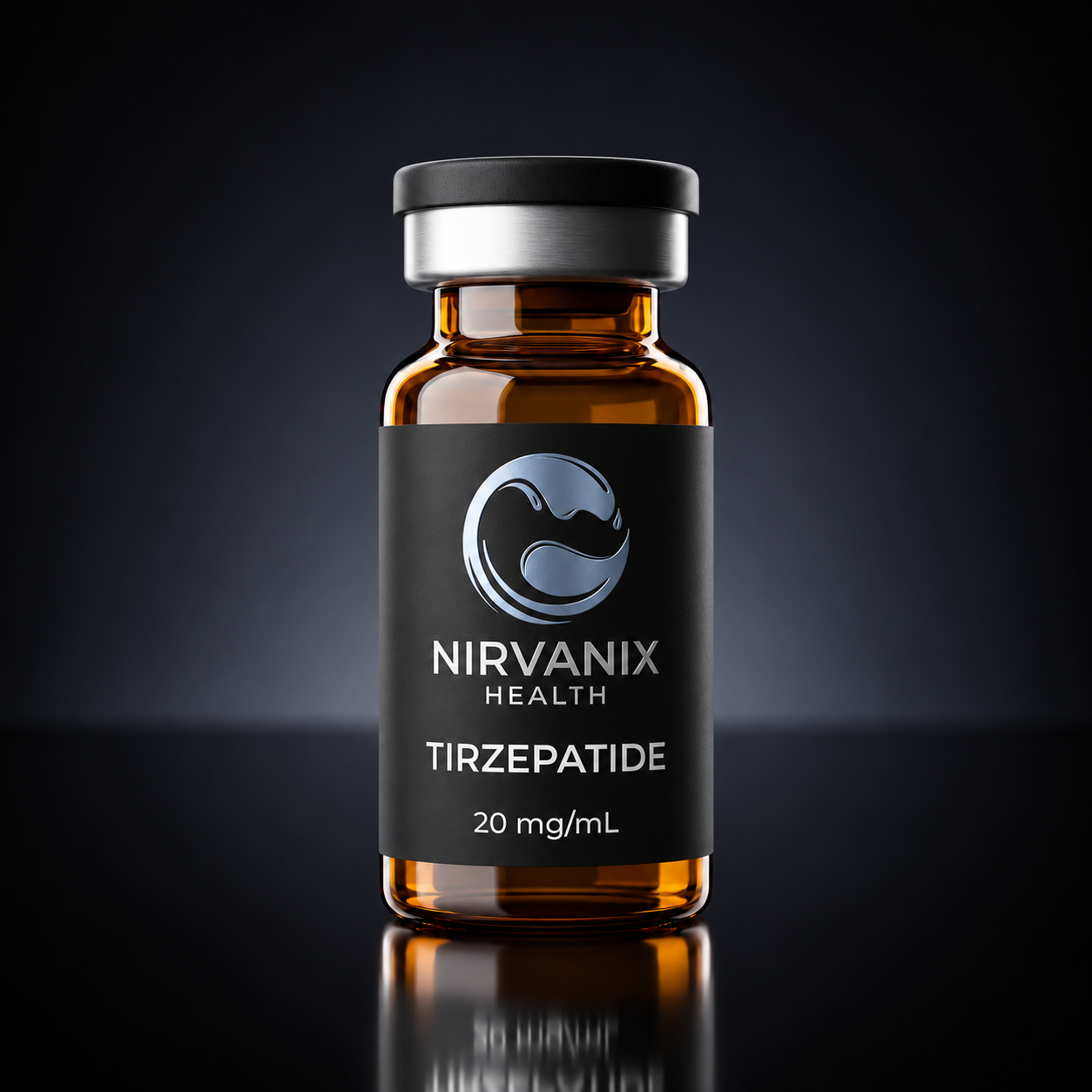
- Compounded tirzepatide is made by a licensed pharmacy for each patient. It isn't FDA-approved.
- Skip any seller with no prescription, no clinician, or vials labeled for research use.
- Compare what's included: visits, dose changes, supplies, and support.
You've seen the results. People losing 15%, even 20% of their body weight. You want in. Then you look up the price and wonder if this is only for people with great insurance.
It isn't. But what you pay for tirzepatide depends a lot on how you get it, and some of the cheapest offers online come with real risks. Here's how the costs work, and what to watch for.
Why brand-name tirzepatide costs so much
Tirzepatide is sold under the brand names Zepbound and Mounjaro. A few things push the price up:
- It's new and patented. There's no generic version, so there's no lower-cost competitor for the brand medicine.
- It took massive trials to prove. The main weight-loss study alone followed 2,539 adults for 72 weeks.
- Coverage is patchy. Insurance coverage for weight loss varies a lot from plan to plan. When your plan says no, you're paying out of pocket.
What brand-name self-pay really costs
The maker, Eli Lilly, sells Zepbound directly to self-pay patients. As of October 2026, Lilly's savings page listed these monthly prices for its KwikPen:
The fine print matters:
- The $299 dose is a starting dose. Lilly's own announcement says 2.5 mg "is a starting dose and not an approved maintenance dose." Most people move up within weeks, so $299 isn't your long-term price.
- Miss a refill window and the price jumps. If you refill more than 45 days after your last delivery, higher doses cost $499 to $699 a month under Lilly's terms.
- Terms can change. Lilly's current savings card terms run through December 31, 2026. Check for 2027 pricing before you plan your budget.
- Supplies may be extra. Zepbound vials don't come with syringes or needles. Those are supplied separately.
What drives what you'll actually pay
Wherever you get tirzepatide, these are the levers:
- Your dose. Higher doses usually cost more.
- The form. Pens, vials, and other forms are often priced differently.
- Where it comes from. The manufacturer directly, a pharmacy with a savings card, or a clinician-led program using compounded medicine.
- What's bundled in. Some prices include clinician visits, follow-ups, dose changes, and supplies. Others are medicine only.
- Refill timing. As above, a missed window can cost you.
The cheapest sticker price isn't always the cheapest plan. A medicine-only price plus separate visits and supplies can add up fast.
What compounded tirzepatide is, and isn't
You'll see many programs offering compounded tirzepatide. Here's what that means:
- It's prepared by a licensed pharmacy for each patient, based on a prescription from a licensed clinician.
- It isn't FDA-approved. The FDA doesn't review compounded drugs for safety, effectiveness, or quality before they're sold.
- It isn't a generic. Compounded tirzepatide isn't a generic version of Zepbound or Mounjaro, and the big study results come from the FDA-approved medicine.
Why do people choose a compounded program? Often it's the whole package: a clinician who reviews their history, a plan that changes with them, and a price they can see up front. What matters most is who prescribes it, which pharmacy makes it, and what care comes with it. For a side-by-side look, read compounded tirzepatide vs. Zepbound.
Red flags in bargain offers
The FDA has warned about unsafe GLP-1 products sold online. It has received reports of side effects, some requiring hospitalization, linked to dosing mistakes. Counterfeit products have also turned up in the US supply.
Questions to ask before you pay
Before you sign up anywhere, get clear answers to these:
- Who reviews my health history, and are they licensed in my state?
- Which licensed pharmacy prepares my medicine?
- What's included in the price: visits, dose adjustments, supplies, shipping?
- Does my price change as my dose goes up?
- How do I reach someone if I have side effects or questions?
- What happens if I need to pause or slow down my dose?
How Nirvanix does it
At Nirvanix, a licensed clinician reviews your health history before you start. Your compounded tirzepatide comes from licensed compounding pharmacies through GenHealth. Your plan starts at a low dose and moves up only when you're ready, and your clinician can change course if you have a rough week. It's online, with no waiting room, and the consultation is included.
Prices can change, so we keep them in one place: the Nx Lean page, where current pricing loads live.
The bottom line
Without insurance, brand-name tirzepatide costs $299 to $449 a month through Lilly's self-pay program as of October 2026, with conditions, and more if you miss a refill window. Compounded tirzepatide isn't FDA-approved, so who prescribes it and which pharmacy makes it matter most. Skip any offer with no prescription, no clinician, or a research-use label.
See if you qualify: take the two-minute quiz, or check current pricing on the Nx Lean page.
Common questions
How much does tirzepatide cost without insurance?
It depends on the dose and how you buy it. As of October 2026, Lilly's self-pay program listed brand-name Zepbound KwikPen prices of $299 a month for the 2.5 mg starting dose, $399 for 5 mg, and as low as $449 for higher doses with on-time refills. Compounded programs set their own prices, so compare what's included.
Why is brand-name tirzepatide so expensive?
Tirzepatide is a newer patented medicine with no generic version, and it took years of large clinical trials to bring to market. Insurance coverage for weight loss varies a lot from plan to plan, so many people pay out of pocket.
Is compounded tirzepatide the same as Zepbound?
No. Compounded tirzepatide is prepared by a licensed pharmacy for an individual patient based on a prescription. It isn't FDA-approved, and it isn't a generic version of Zepbound or Mounjaro. The FDA doesn't review compounded drugs for safety, effectiveness, or quality before they're sold.
Is it safe to buy tirzepatide online?
It can be, if you have a prescription from a licensed clinician and your medicine comes from a state-licensed pharmacy. The FDA warns against products sold without a prescription or labeled for research use only, which may be counterfeit or contain the wrong ingredients.
Does the price of tirzepatide go up with the dose?
Often, yes. Lilly's self-pay price rises from the 2.5 mg starting dose to higher doses, and many programs price by dose too. Ask how your cost will change as your dose goes up before you start.