In this article
The short version
- Start with sleep: most adults need at least 7 hours, and late caffeine can steal more than an hour.
- Get the right labs. Low iron, thyroid, blood sugar, and hormone problems are common, fixable energy drains.
- Easy exercise works. In one study, 20 minutes three times a week cut fatigue by 65%.
- Eat regular meals with protein and skip crash diets, which drain energy fast.
- If you're still tired after the basics, a clinician can look at hormones or NAD+ support.
If 2026 ran on coffee and willpower, make 2027 different. Most low energy comes from a short list of fixable things, and you can work through every one of them in 30 days.
Here's the plan: one focus a week, in the order that gets results fastest. Then, if you're still dragging, where NAD+ and hormone care fit in.
Why you're so tired
Fatigue is one of the top 10 reasons people see a primary care doctor, and 5% to 10% of patients there bring it up. Sometimes it's a medical problem. Often it's a stack of small energy leaks: short sleep, late caffeine, sitting all day, and skipped meals.
The good news is that leaks can be patched. Start at the top, and keep one simple habit all month: rate your energy from 1 to 10 each evening. After 30 days, you'll see exactly what moved it, and you'll have real notes to bring to a clinician if you need one.
Week 1: Fix your sleep first
Nothing else works well on bad sleep. The CDC says adults aged 18 to 60 need at least 7 hours a night.
- Pick a wake-up time and keep it, weekends included. A steady wake time sets your body clock.
- Set a caffeine cutoff. In one study, a big dose of caffeine taken 6 hours before bed still cut sleep by more than an hour. Try making 2 p.m. your last cup.
- Put screens away 30 minutes before bed. Swap the phone for a book or a shower.
- Keep your room cool, dark, and quiet.
- Skip big meals and alcohol close to bedtime. Alcohol knocks you out, then breaks up sleep later in the night.
Want the full rundown? Read the sleep myths that wreck your energy.
Week 2: Check your labs
If you're sleeping well and still exhausted, something inside may be draining you. Clinicians choose tests based on your symptoms, because testing without a reason rarely changes treatment. Common ones include:
- Complete blood count and ferritin, to look for anemia and low iron.
- Vitamin B12 and folate, which your body needs to make healthy blood cells.
- A1C, a three-month picture of your blood sugar.
- Thyroid tests, since a slow thyroid can leave you tired and foggy.
- A metabolic panel, which covers kidney and liver function, plus salts like sodium and potassium.
- Testosterone, for men. Low T can drain energy and drive. Here's how to spot low testosterone.
For women in their 40s and 50s, perimenopause and menopause are common energy thieves. Read what helps menopause symptoms.
Week 3: Move, even a little
When you're wiped out, a hard workout sounds impossible. Good news: easy works.
In a University of Georgia study, 36 inactive adults with ongoing fatigue did 20 minutes of exercise three times a week for 6 weeks. Both workout groups got a 20% boost in energy. The low-intensity group, think an easy bike ride, cut fatigue by 65%, more than the moderate group's 49%.
- Start easy. A 20-minute walk three times this week counts.
- Build toward the target. The CDC recommends 150 minutes of moderate activity a week, plus 2 days of strength training.
- Lift something. Strength training twice a week helps protect muscle as you age.
Week 4: Eat for steady energy
- Don't crash diet. Family doctors warn against fad diets and very restrictive meal plans, which leave you running on empty.
- Eat protein at every meal. It keeps you full and steady. Here's how much protein you need.
- Eat on a rhythm. Skipping meals often leads to overeating later, so aim for regular meals.
- Drink water through the day, and keep alcohol light.
Where NAD+ and hormone care fit
If you've done the four weeks and still feel flat, it's time to look deeper.
- Hormones. Low testosterone in men and menopause changes in women are common and treatable. A clinician checks your symptoms, plus labs when needed, before treating. See men's health and women's health care.
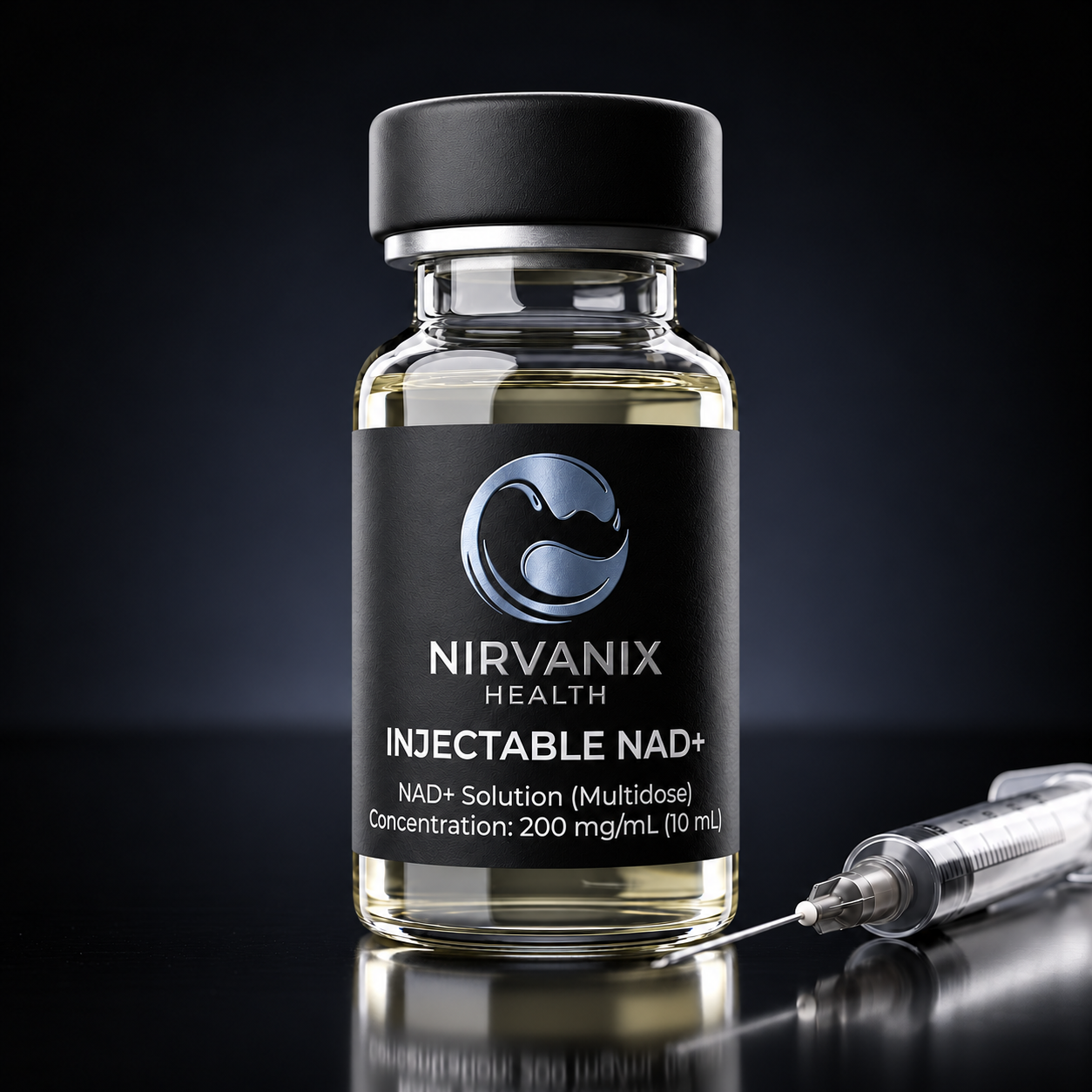
- NAD+ support. NAD+ helps your cells turn food into energy, and levels drop with age. Studies show NAD+ raises blood levels, though big trials on energy are still to come. Read more in our NAD+ injection guide.
A Nirvanix clinician reviews your history and goals, orders labs when they're needed, and builds a plan with you. The consultation is included.
The bottom line
Most energy problems start with sleep, movement, and food, and four focused weeks can change how you feel. If you're still tired after that, get the right labs, because low iron, thyroid, blood sugar, and hormone problems are common and fixable. NAD+ and hormone care can be the next step with a clinician guiding you.
Ready to make 2027 your year? Take the two-minute quiz.
Common questions
How can I get my energy back fast?
Start with the basics that move the needle quickest: at least 7 hours of sleep, no caffeine within 6 hours of bed, and short, easy workouts. In one study, energy improved over 6 weeks of easy exercise. If you're still tired, get checked for common causes like low iron, thyroid problems, or low testosterone.
What blood tests should I get for fatigue?
Your clinician chooses tests based on your symptoms. Common ones include a complete blood count, iron (ferritin), vitamin B12, folate, A1C for blood sugar, a metabolic panel, and thyroid tests. Men may also need a testosterone test.
Does exercise really give you more energy?
Yes, even easy exercise. In a 6-week study of tired, inactive adults, 20 minutes of low-intensity exercise three times a week raised energy by 20% and cut fatigue by 65%.
Do NAD+ injections help with energy?
People use NAD+ to support energy because levels fall with age and NAD+ helps cells make fuel. Studies show NAD+ given by IV raises blood levels, but large trials on how people feel haven't been done yet. It works best as an add-on to good sleep, movement, and food.