In this article
The short version
- Thicker blood (high hematocrit) is the side effect clinicians watch most, and routine labs catch it.
- Testosterone can lower sperm production, so say so up front if you want kids.
- Acne, breast tenderness, and worse sleep apnea are real but manageable.
- In TRAVERSE, major heart events were 7.0% on testosterone and 7.3% on placebo.
- Most side effects are handled by adjusting the dose, which is why follow-up labs matter.
TRT can bring back your drive and get you feeling like yourself again. But nobody at the gym mentions the thicker blood, the acne, or what testosterone does to your sperm count.
Here's the good news: most testosterone side effects are predictable, show up on routine labs, and have simple fixes. Here's what to watch for, how each one is managed, and what the biggest heart-safety trial actually found.
1. Thicker blood: the big one
Testosterone tells your body to make more red blood cells. Too many and your blood gets thick, like soup with too much flour stirred in.
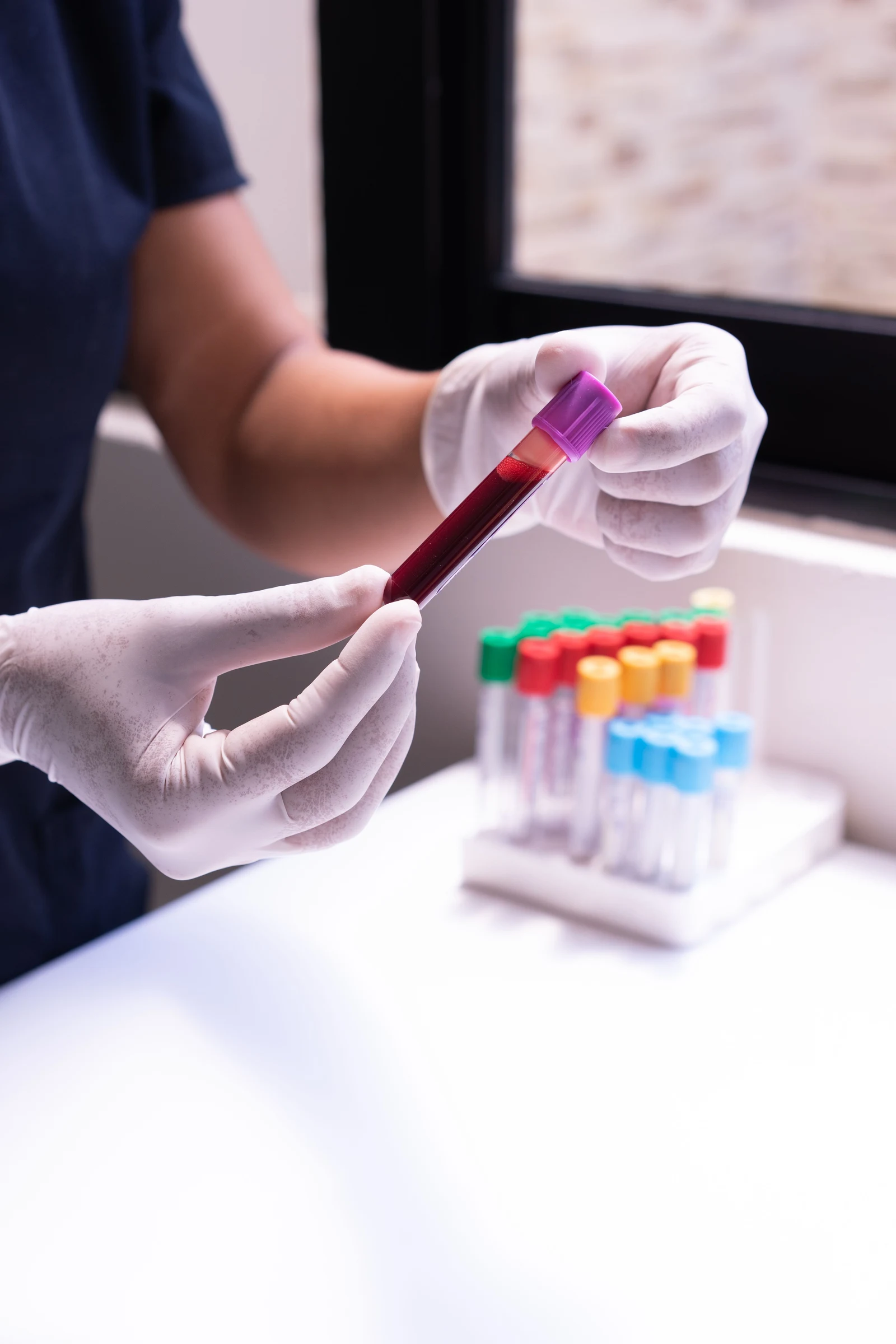
That matters because more red blood cell mass may raise the risk of blood clots. It's measured with a simple blood test called hematocrit.
- How it's caught: Hematocrit is checked before you start, at 3 to 6 months, and then once a year.
- How it's fixed: If it climbs above 54%, the Endocrine Society says to pause testosterone until it comes down, check for sleep apnea, and restart at a lower dose.
2. Acne and hair loss
Acne is listed among testosterone's side effects, and so is hair loss. Both are worth flagging early.
- How it's managed: Regular acne care handles most breakouts. If your skin flares or your hair thins, tell your clinician. A dose or schedule change may help.
3. Estrogen side effects
Some testosterone turns into estrogen in your body. That's normal. But breast tissue can grow or get tender, a condition called gynecomastia, and it may persist.
- How it's managed: Tell your clinician about any breast tenderness or swelling. They'll check your estradiol level and may adjust your dose. A medicine to lower estrogen is only for specific cases, not something every man needs.
4. Your sperm count and testicles
This is the one that surprises men most. When testosterone comes from outside, your brain senses plenty and stops sending the signals that tell your testes to work.
The results can include a low sperm count, smaller testicles, and reduced fertility. At large doses, sperm production can stop completely.
- How it's managed: If you want kids now or soon, say so before you start. Options that support your own testosterone while keeping fertility in focus, like clomiphene, may fit better.
5. Sleep apnea
Testosterone can make sleep apnea worse in some men, especially men with obesity or lung disease. Guidelines advise against starting it if you have untreated severe sleep apnea.
- How it's managed: Tell your clinician if you snore loudly, a partner notices you stop breathing at night, or you wake up exhausted. Treating sleep apnea comes first.
6. Blood pressure, swelling, and PSA
- Blood pressure. In 2025, the FDA required a blood pressure warning on testosterone products after monitoring studies confirmed an increase across the class. On one gel, average blood pressure rose 1.9/1.3 mm Hg after 16 weeks, and 3.0/2.2 mm Hg in men already treated for high blood pressure. It gets checked periodically.
- Fluid. Testosterone can make your body hold salt and water. That's a bigger concern if you have heart, kidney, or liver disease.
- PSA. PSA tends to rise a little on testosterone. The Endocrine Society recommends a urology referral if it climbs more than 1.4 ng/mL in the first year or goes above 4.
What about your heart? The TRAVERSE trial
For years, men heard that testosterone might cause heart attacks. So researchers ran the biggest test yet.
TRAVERSE enrolled 5,246 men ages 45 to 80 with low testosterone and either heart disease or a high risk of it. They used a daily testosterone gel or a placebo gel and were followed for an average of 33 months.
Major heart events, meaning heart attack, stroke, or death from heart causes, happened in 7.0% of men on testosterone and 7.3% on placebo. Testosterone was no worse than placebo for those events.
The trial wasn't all clean, though. A few problems showed up more often on testosterone:
- Atrial fibrillation, an irregular heartbeat: 3.5% vs 2.4%.
- Acute kidney injury: 2.3% vs 1.5%.
- Blood clots in the lungs: 0.9% vs 0.5%.
- Bone fractures: 3.5% vs 2.5%.
Prostate results were reassuring. High-grade prostate cancer was rare and not significantly different: 0.19% on testosterone vs 0.12% on placebo. Keep in mind the men were screened first, and anyone at high prostate risk was left out.
After TRAVERSE, the FDA removed language about increased heart risk from the boxed warning on testosterone labels in 2025 and added the trial's results.
How Nirvanix keeps side effects in check
At Nirvanix, your clinician schedules your follow-up labs, reads them with you, and adjusts your dose when hematocrit, PSA, or estradiol move. If something feels off between labs, you can reach your care team, and your plan can change. No waiting room, and your consultation is included.
Starting out? See what online TRT looks like month by month.
The bottom line
Testosterone's side effects are real, but most are predictable. Thicker blood, acne, estrogen changes, lower sperm count, and worse sleep apnea are the big ones, and routine labs catch most of them early. In TRAVERSE, the heart picture was reassuring for major events, with a few risks to watch.
Thinking about TRT? Take the two-minute quiz to see where to start.
Common questions
What is the most common side effect of testosterone therapy?
Labs catch the most important ones: a rise in hematocrit (thicker blood) and a rise in PSA. In the main trial of a 1.62% testosterone gel, a PSA increase was the most commonly reported reaction. Acne is another known side effect.
Does testosterone therapy cause heart attacks?
In TRAVERSE, a trial of 5,246 men with heart disease or high heart risk, major heart events were about the same on testosterone (7.0%) and placebo (7.3%). Atrial fibrillation, kidney injury, and blood clots in the lungs were somewhat more common on testosterone, so your history still matters.
Will TRT make me infertile?
It can lower sperm production, sometimes to zero, and reduced fertility has been seen in some men on testosterone. If you want kids now or soon, tell your clinician before you start. There are options designed to protect fertility.
Does testosterone make you lose your hair?
It can. Hair loss is listed among testosterone's skin side effects, along with acne. Tell your clinician if you notice thinning, since a dose or schedule change may help.
Can TRT cause sleep apnea?
It can make sleep apnea worse in some men, especially those with obesity or lung disease. Guidelines advise against starting testosterone if you have untreated severe sleep apnea, so mention loud snoring or daytime exhaustion.